Monstera Deliciosa
Monstera deliciosa
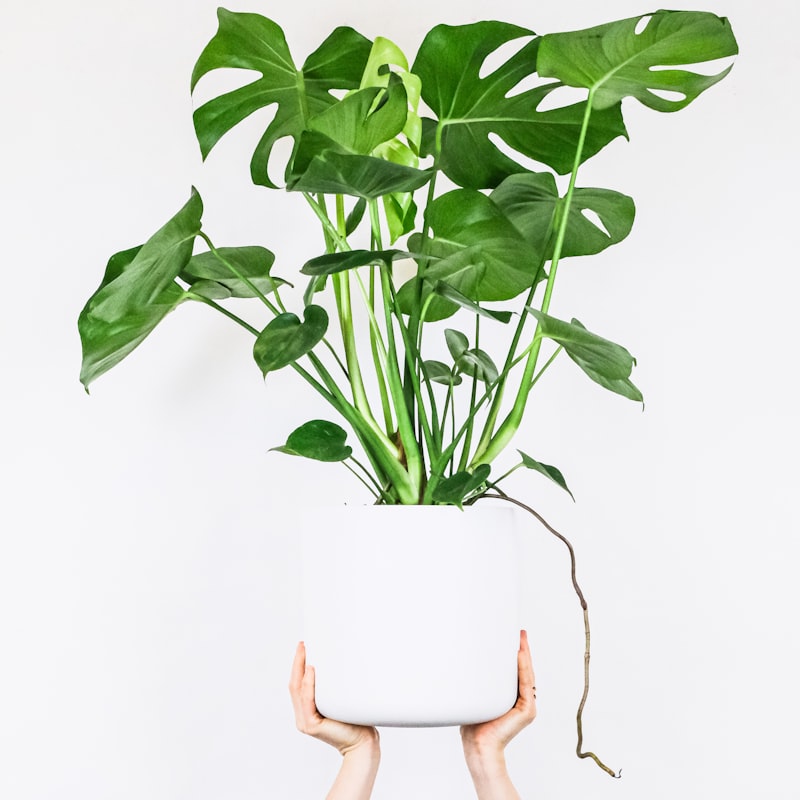
It actually produces edible fruit when it matures. The fenestrations (those iconic splits and holes) develop with age and better light, so each new leaf ends up more dramatic than the last.
Locally propagated in Columbus, Ohio. If it's listed, it's available.
Monstera deliciosa
It actually produces edible fruit when it matures. The fenestrations (those iconic splits and holes) develop with age and better light, so each new leaf ends up more dramatic than the last.
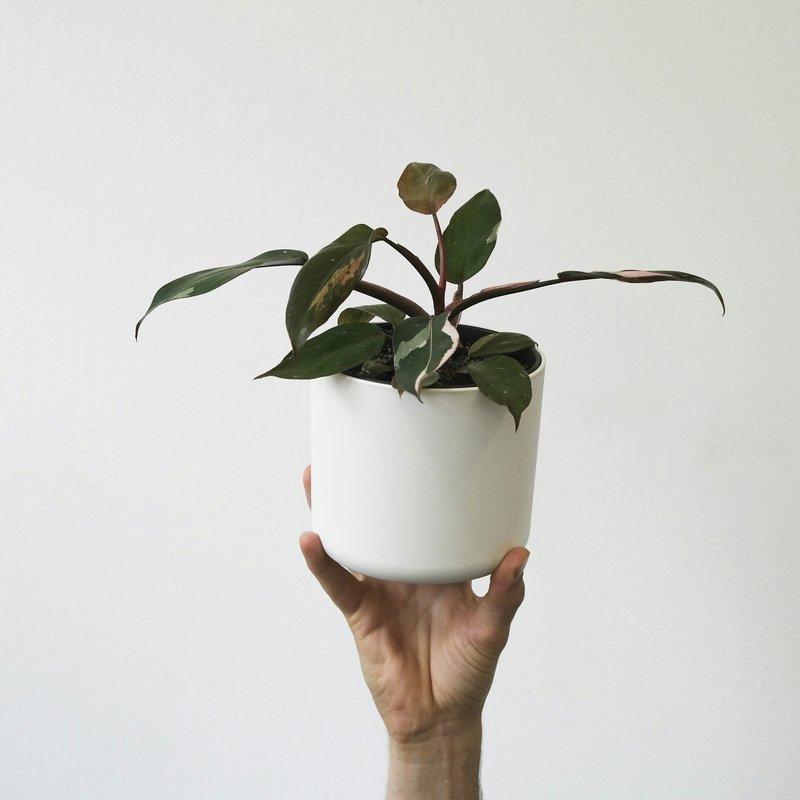
Philodendron erubescens 'Pink Princess'
It's a chimeric mutation, not a hybrid. The variegation varies from plant to plant and leaf to leaf, which is the whole point. No two are alike, and you can't predict what the next leaf will look like.
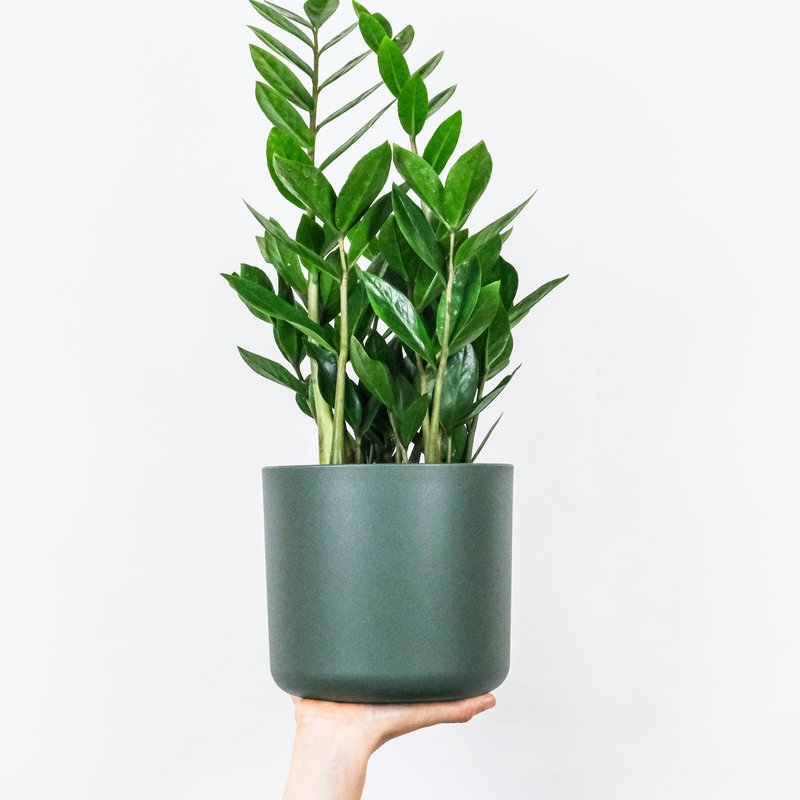
Zamioculcas zamiifolia
It survives real low light and months of neglect. Underground rhizomes store water like a backup tank, which gives you a wide margin for error on watering.
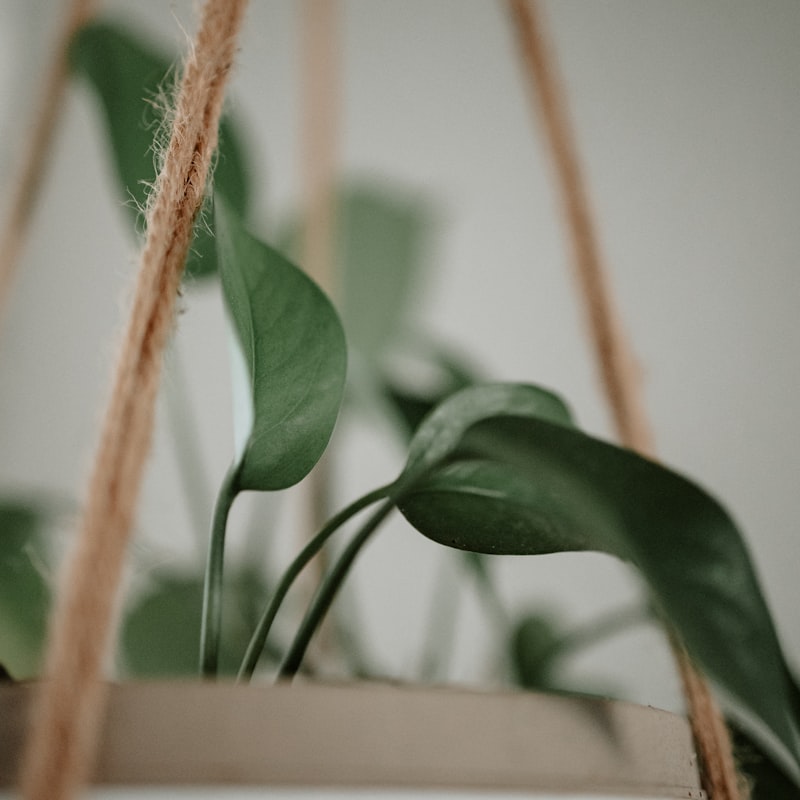
Epipremnum aureum
It trails and grows faster than almost anything else you'll put on a shelf. The gold variegation gets bolder in brighter light, so give it a good spot if you want those colors to pop.
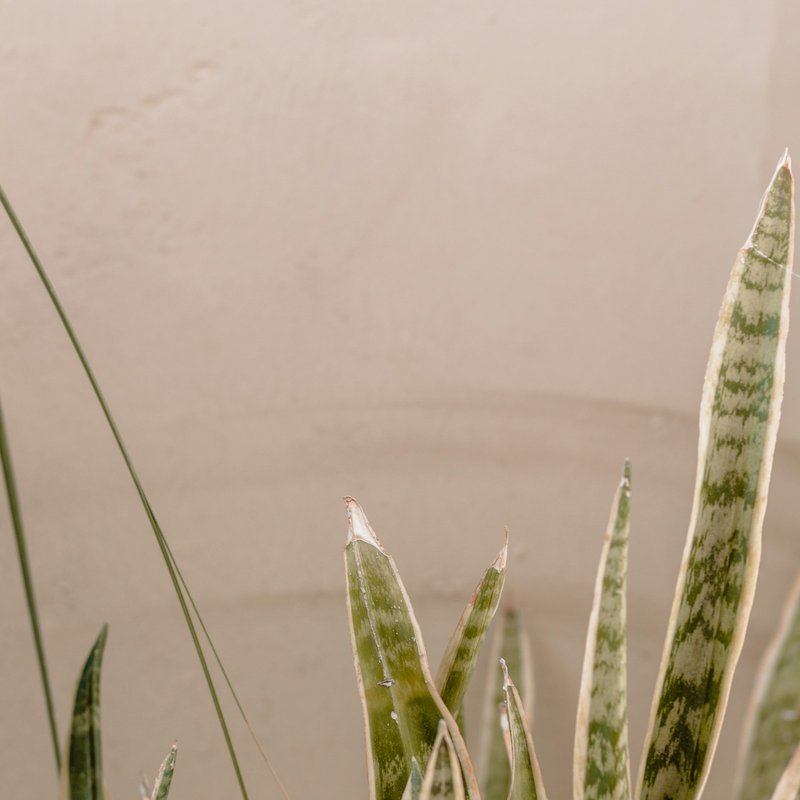
Dracaena trifasciata
Good luck killing this one. It absorbs CO2 at night, tolerates basically no light, doesn't care about humidity, and will forgive you for forgetting it exists for a month. If you manage to kill a snake plant, we need to talk.
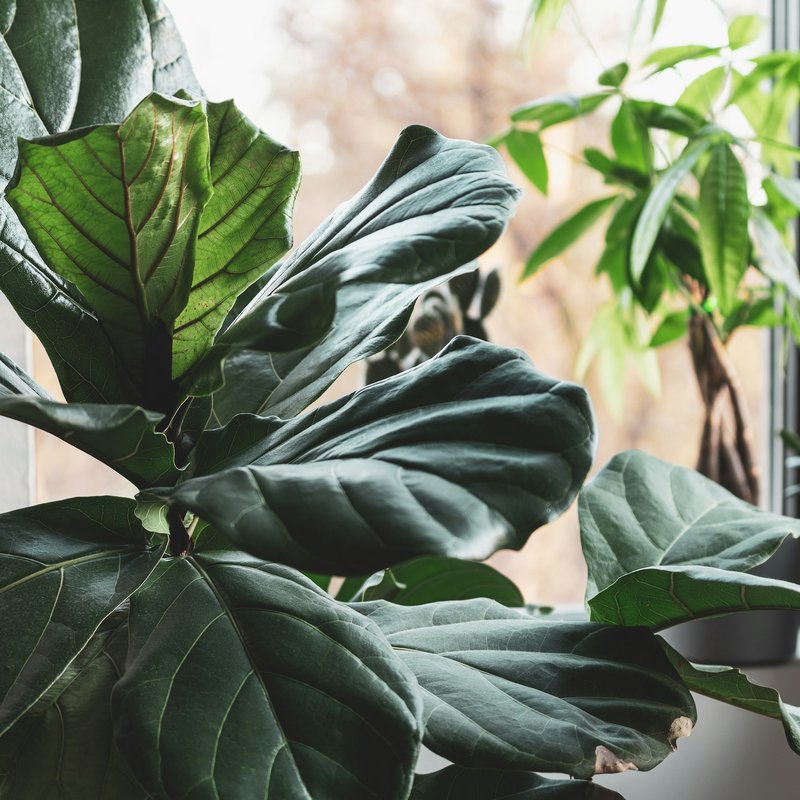
Ficus lyrata
Sensitive to being moved once it finds its spot. Give it stable conditions and it rewards you with rapid vertical growth and large, architectural leaves. Move it constantly and you'll have a very expensive stick.
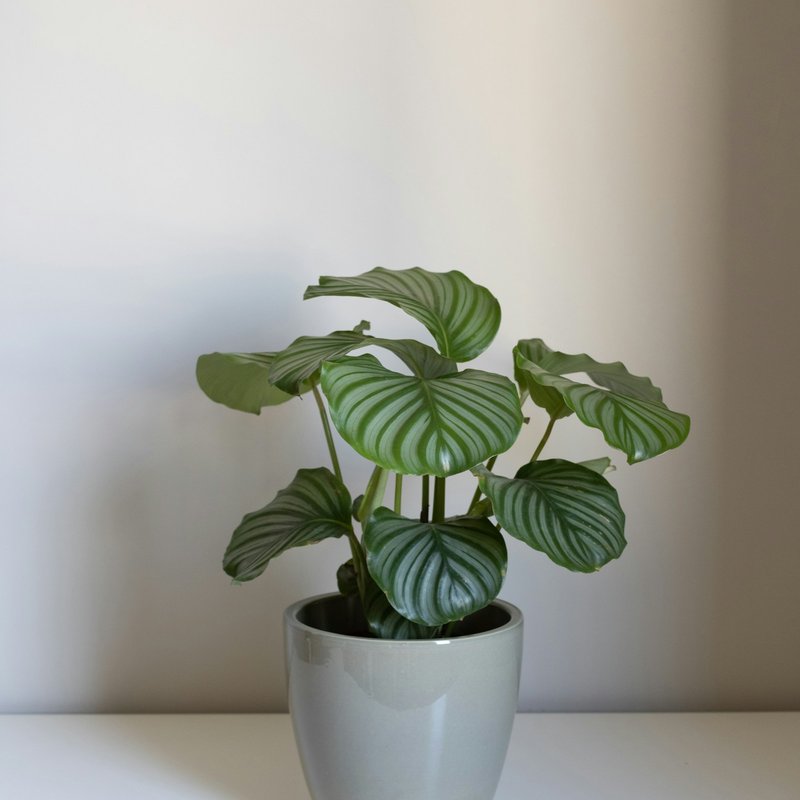
Goeppertia orbifolia
The leaves actually fold upward at night, driven by specialized motor cells responding to light changes. We stock it seasonally because sourcing quality specimens is harder than the internet makes it look.
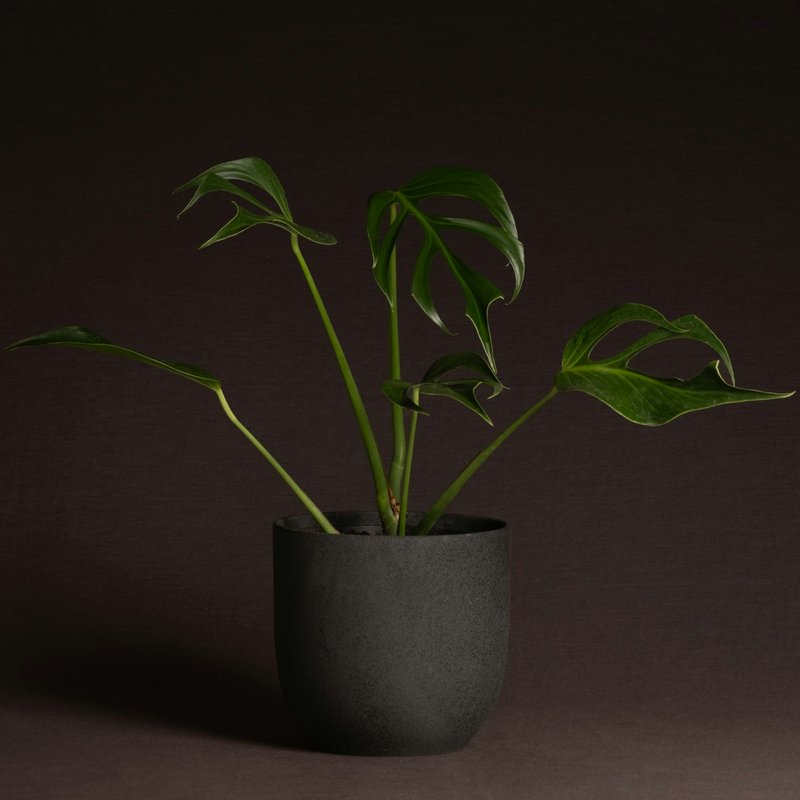
Monstera sp. 'Burle Marx Flame'
On mature leaves, the fenestration runs nearly to the midrib, which is what creates those narrow flame-like sections the name describes. Currently propagating and building stock. Join the notify list if you want one.
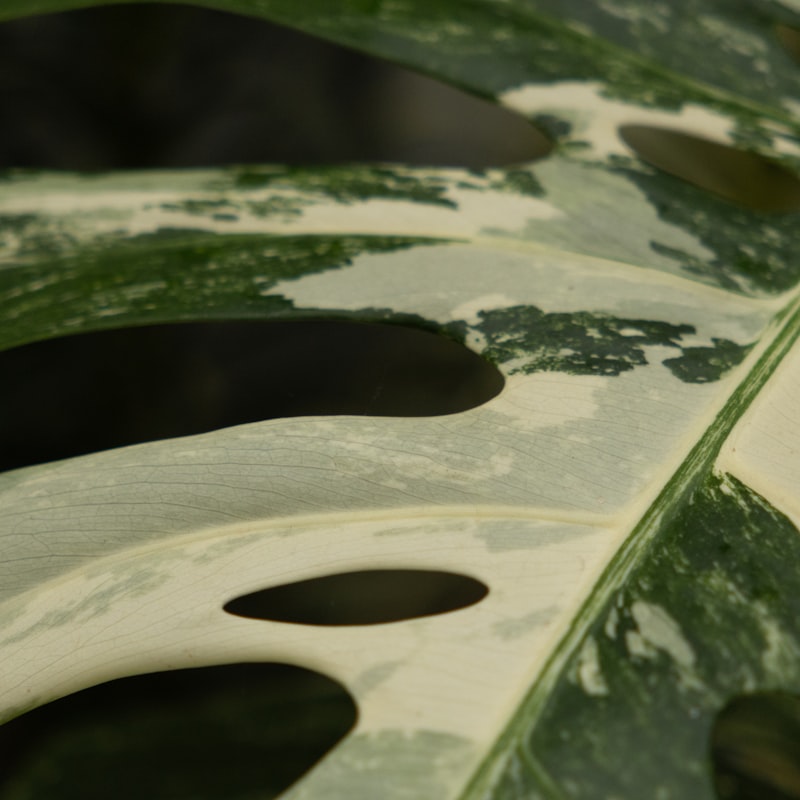
Monstera deliciosa 'White Monster'
The white sections are genetically incapable of photosynthesis. The green sections do all the work, which means this plant actually needs more light than a standard Monstera to stay healthy.
Anthurium magnificum
Dark velvety leaves with white veining that becomes more pronounced as the plant matures. Check the petiole cross-section: it should be four-sided and nearly square, which is how you know you have the real thing.
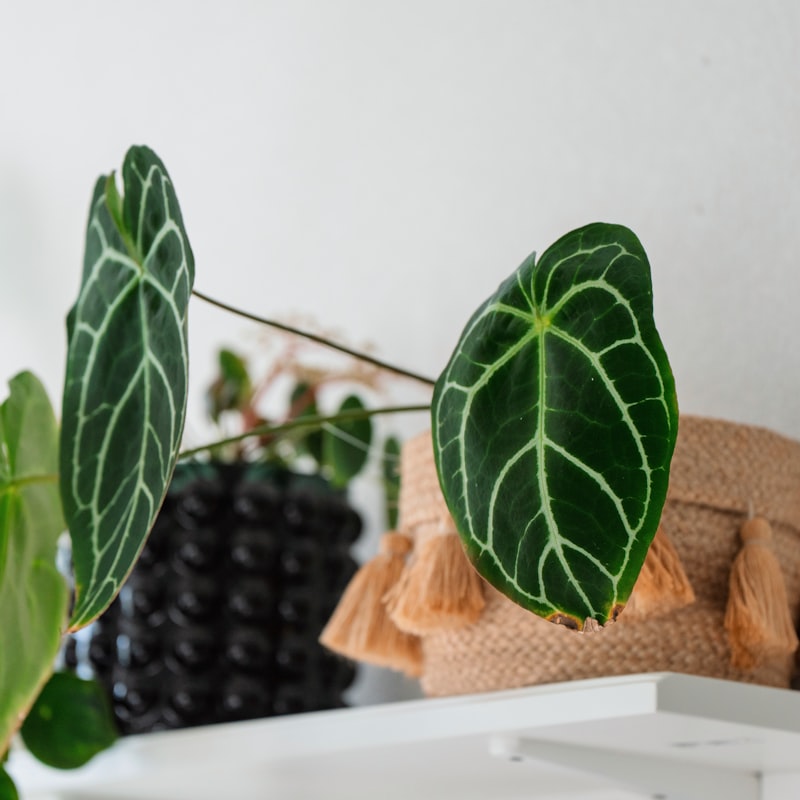
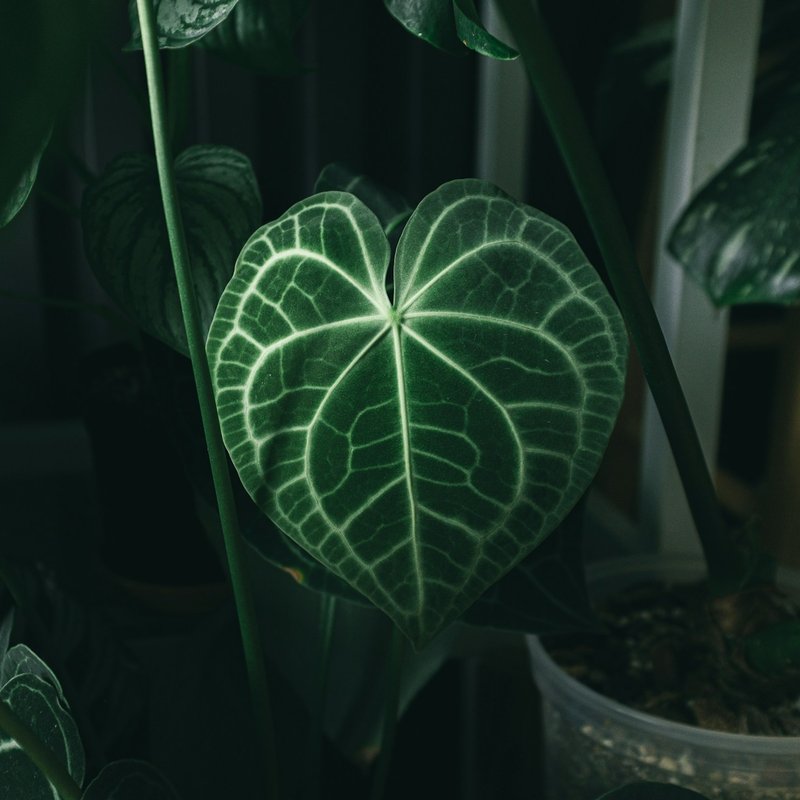
Anthurium clarinervium
Grows on limestone outcrops in Chiapas, Mexico, not in forest soil. Its rock-dwelling origins mean it handles drought better than most aroids and prefers fast-draining mix.
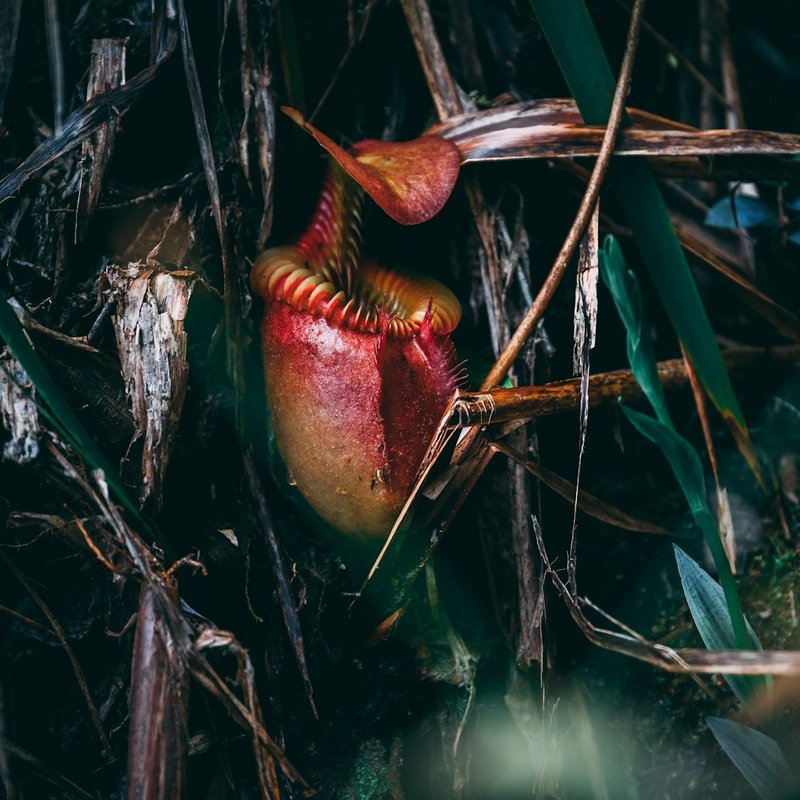
Nepenthes ventricosa
Feeds itself by trapping and digesting insects in its pitchers. Requires distilled or rainwater only and no fertilizer in the soil.
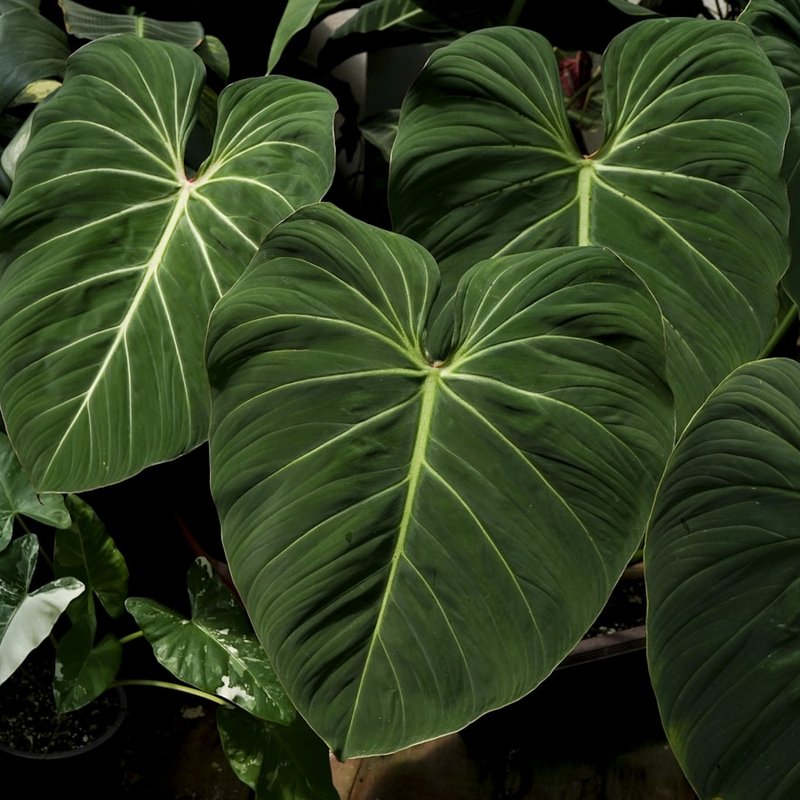
Philodendron gloriosum
Crawls horizontally along the soil surface rather than climbing. Needs a rectangular pot and lateral space, not a pole, to grow properly.
Alocasia baginda 'Dragon Scale'
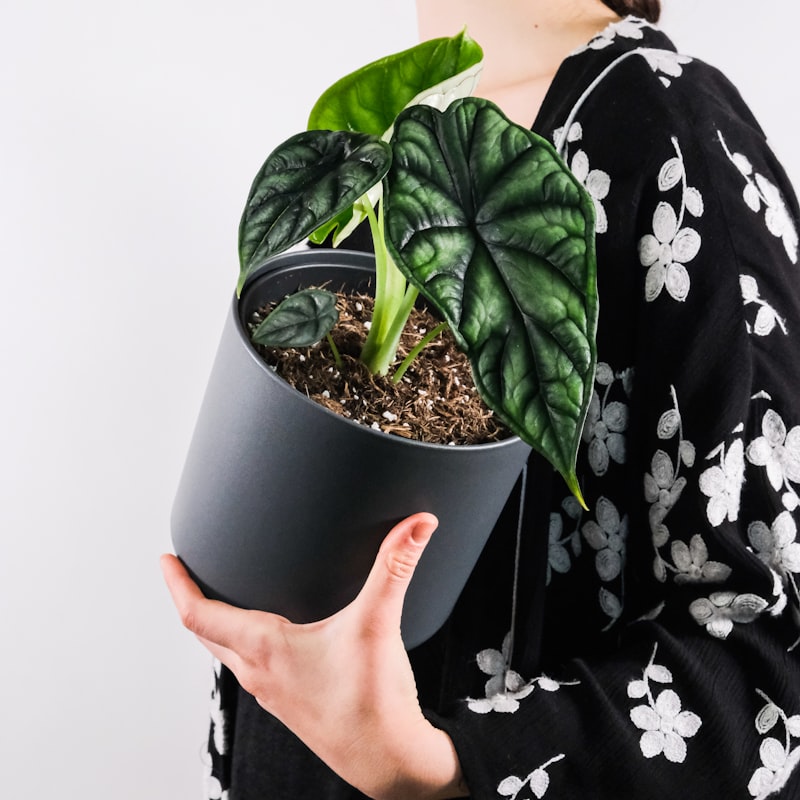
The leaf surface has genuine raised texture that looks like reptile scales. Originates from Borneo limestone forest understory, which informs its soil and humidity needs.
Hoya kerrii
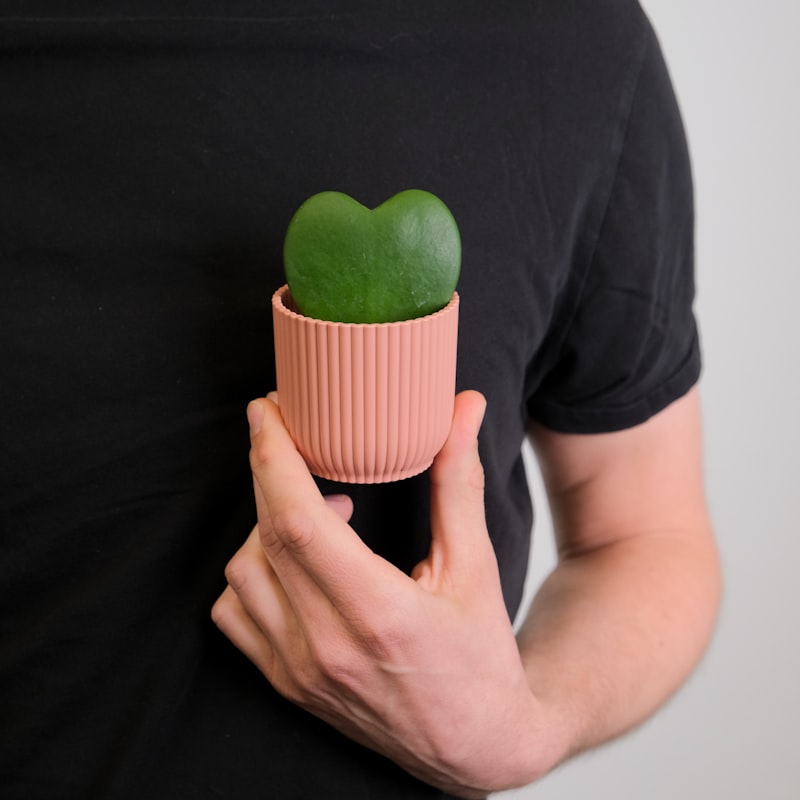
Single-leaf cuttings sold as sweetheart plants will never grow past the one leaf. We sell ours as multi-node vining plants that will actually develop.