
Monstera Burle Marx Flame
Monstera sp. 'Burle Marx Flame'
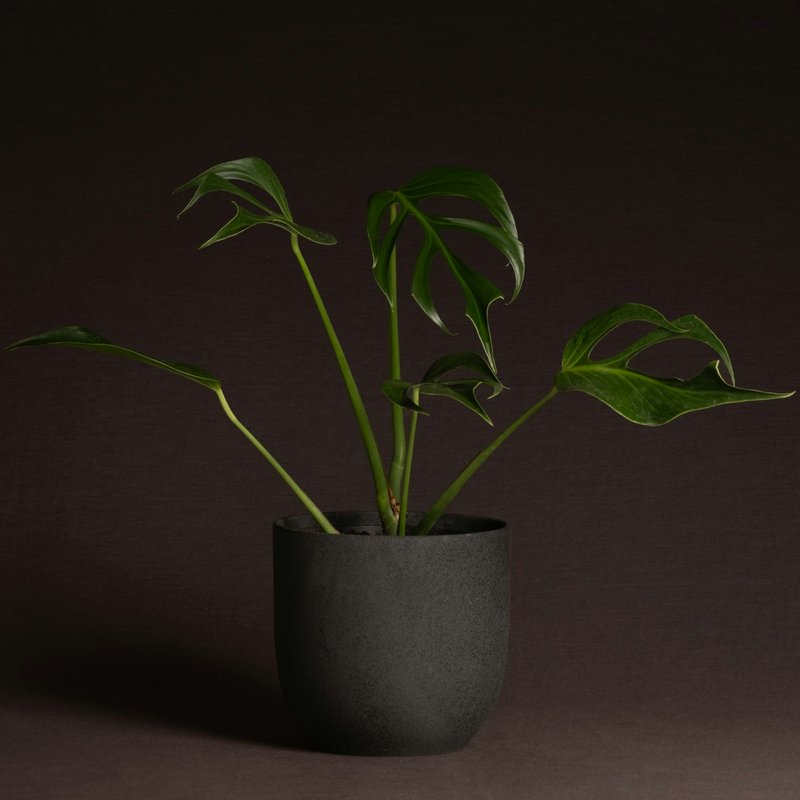
On mature leaves, the fenestration runs nearly to the midrib, which is what creates those narrow flame-like sections the name describes. Currently propagating and building stock. Join the notify list if you want one.
- Light
- Bright Indirect
- Humidity
- 60-80%
- Temperature
- 68-80°F
Light Requirements
Bright Indirect. Place within 3-5 feet of a south or east-facing window, out of direct sun. Direct afternoon sun will scorch leaves.
Watering
Water when the top 1-2 inches of soil are dry, soaking thoroughly until it runs out the bottom. This one is more prone to root rot than your typical big-leaf Monstera because of a thinner root system. Yellow leaves mean you're overwatering. Brown edges mean you're underwatering or the humidity is too low.
Humidity
Target humidity: 60-80%. A room humidifier is the most reliable solution. Pebble trays and misting provide minimal benefit compared to a small ultrasonic humidifier near the plant.
Temperature
Keep between 68-80°F. Avoid cold drafts from windows in winter and hot air from vents year-round. Most tropical houseplants suffer below 55°F and should never be exposed to frost.
Soil and Potting
A chunky aroid mix: quality potting soil plus perlite, orchid bark, and coco coir. Target pH 5.5-6.5. Good drainage with enough organic material to hold some moisture. Skip the dense all-purpose mixes.
Propagation
Take a tip cutting with 1-2 nodes and root in water or moist sphagnum moss under bright indirect light. Budget more time than you would for a common Monstera. This species roots significantly slower, expect 4-8 weeks before you see meaningful root development. Air layering also works well for larger stems.
Common Problems
Scale insects are the most common pest on this one, showing up as small brown bumps on stems and the undersides of leaves. Pick them off manually and treat with isopropyl alcohol or neem oil. If you're seeing mold on the soil surface, you've got high humidity with poor air circulation.
Worth Knowing
- It's technically listed as Monstera sp. because its taxonomic status is still unresolved. Some botanists think it's a distinct species; others consider it a form of an existing one. It's been in cultivation for years and still doesn't have a settled Latin name.
- The plant is named after Roberto Burle Marx (1909-1994), the Brazilian landscape architect and botanist who built one of the largest private tropical plant collections in the world. His farm near Rio de Janeiro is now a UNESCO World Heritage Site. So yes, this plant is named after someone important.
- That flame look isn't just aesthetics. The fenestration on mature leaves runs nearly all the way to the midrib, leaving only narrow leaf sections on either side. It's more extreme than almost any other Monstera species, and it's exactly what collectors are paying for.
Toxicity
Toxic to cats and dogs. Contains calcium oxalate crystals causing oral irritation and GI upset if ingested.