Piggyback Plant
Tolmiea menziesii
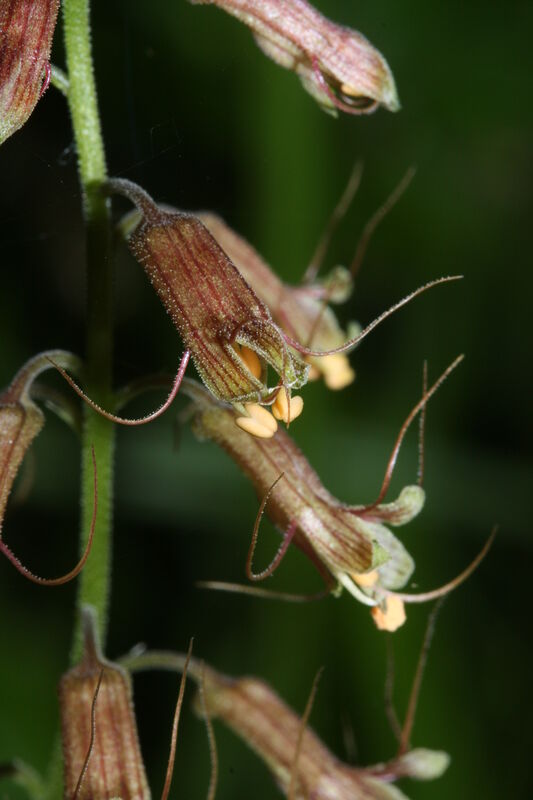
Tolmiea menziesii earns every one of its common names: it literally grows new plantlets right on top of mature leaves, at the point where the leaf blade meets the stem. In its native habitat it grows along shady, moist streambanks in Douglas fir and redwood forests, which tells you exactly what it wants indoors — shade, consistent moisture, and cool temperatures. It makes a genuinely charming hanging basket plant, with heart-shaped, slightly hairy leaves and slender spring flower stalks bearing small chocolate-purple blooms.
How to grow Piggyback Plant
Medium indirect light is ideal,
Keep the soil consistently moist
50%
50-60°F
Well-draining, organically rich potting mix
Almost too easy.
Root rot from consistently wet
Fun Facts
Tolmiea menziesii is one of the very few houseplants native to the Pacific Northwest of North America — most common houseplants hail from tropical regions.
Pet safe
Non-toxic to cats, dogs, horses, and humans according to the ASPCA. The fine bristly hairs on the leaves may cause mild skin irritation in people with very sensitive skin.
Sources
- Piggyback Plant Care - Tolmiea menziesii | Guide to Houseplants (opens in new tab)Reference
- Piggyback Plant Care - Tolmiea menziesii | Guide to Houseplants (opens in new tab)Reference
- Tolmiea menziesii | Wikipedia (opens in new tab)Reference
- Tolmiea menziesii | Wikipedia (opens in new tab)Reference
- Tolmiea menziesii | NC State Extension Gardener Plant Toolbox (opens in new tab)University Extension
- Tolmiea menziesii | NC State Extension Gardener Plant Toolbox (opens in new tab)University Extension
- Tolmiea menziesii | University of Washington Botanic Gardens (opens in new tab)University Extension
- Tolmiea menziesii | University of Washington Botanic Gardens (opens in new tab)University Extension