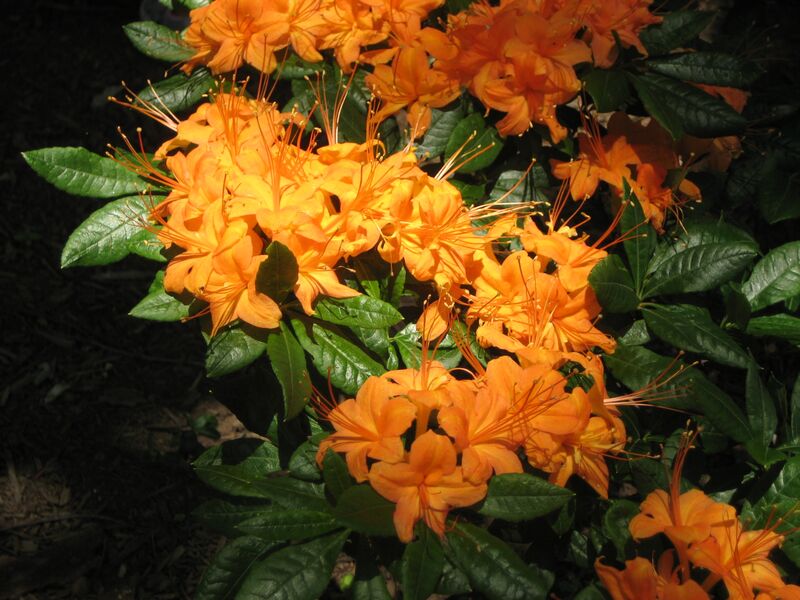
Azaleas
Rhododendron hybrids
Azaleas are the houseplant equivalent of a great opening act: they arrive in spectacular bloom, covered wall-to-wall in pink, red, white, or lavender flowers, then take a long vacation before potentially repeating the performance next year. Your plant needs a cool, humid spot to thrive and a cold dormancy period (40–55°F for about 2 months) to set buds for the following season — skip that step and you'll get foliage but no flowers. Keep them well away from pets and children, as every part of the plant contains grayanotoxins, which are genuinely dangerous.
How to grow Azaleas
Bright, indirect light.
Keep soil consistently moist -
40-60%
54-65°F
Acidic, well-draining soil (equal parts
Semi-ripe stem cuttings taken in
Common pests include spider mites,
Fun Facts
Azaleas and rhododendrons produce grayanotoxins in such high concentrations that honey made from their nectar is itself toxic — 'mad honey' poisoning has been documented for over 2,000 years, and cases still occur today in Turkey where dense stands of rhododendrons are common near apiaries.
Toxic to pets
Highly toxic to dogs, cats, horses, and humans (ASPCA confirmed). Contains grayanotoxins throughout the entire plant. Ingestion of even a few leaves can cause vomiting, diarrhea, drooling, weakness, low blood pressure, cardiac arrhythmia, CNS depression, and potentially death. This is a serious toxicity - treat any suspected ingestion as a medical emergency.
Sources
- Azaleas Indoors - RHS Advice (opens in new tab)Botanical Garden
- Azaleas Indoors — RHS Advice (opens in new tab)Botanical Garden
- Azalea - ASPCA Toxic and Non-Toxic Plants (opens in new tab)Reference
- Azalea — ASPCA Toxic and Non-Toxic Plants (opens in new tab)Reference
- Azaleas and Rhododendrons: Mad Honey and Other Surprising Dangers - Poison Control (opens in new tab)Reference
- Azaleas and Rhododendrons: Mad Honey and Other Surprising Dangers — Poison Control (opens in new tab)Reference
- Rhododendron - ASPCA Toxic and Non-Toxic Plants (opens in new tab)Reference
- Rhododendron — ASPCA Toxic and Non-Toxic Plants (opens in new tab)Reference
- After the Bloom: Nurturing Your Azaleas and Rhododendrons - NC Cooperative Extension (opens in new tab)University Extension
- After the Bloom: Nurturing Your Azaleas and Rhododendrons — NC Cooperative Extension (opens in new tab)University Extension
- Spring Care Tips for Rhododendrons and Azaleas - OSU Extension Service (opens in new tab)University Extension
- Spring Care Tips for Rhododendrons and Azaleas — OSU Extension Service (opens in new tab)University Extension