Rubber Plant
Ficus elastica
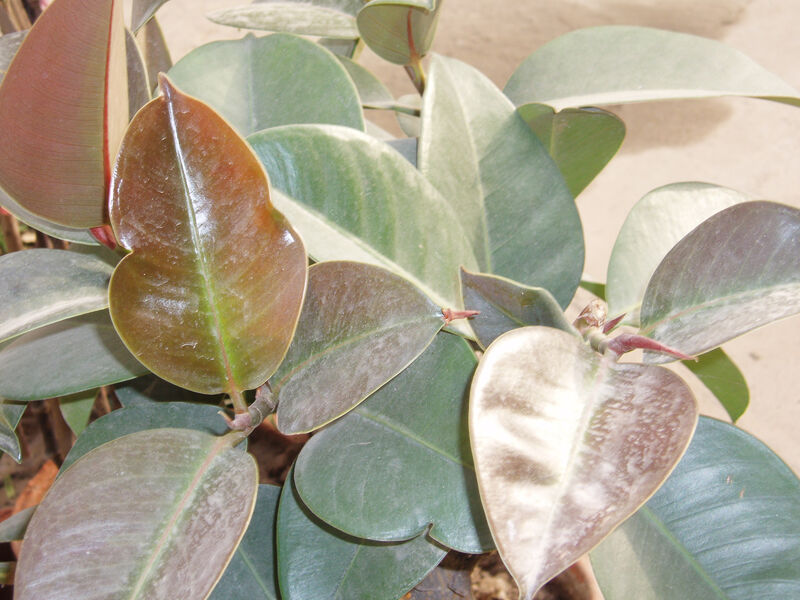
Rubber Plant is exactly what it sounds like: a big, architectural tree with large, thick, glossy leaves that can reach 12 inches long and come in deep green, burgundy, or variegated forms depending on the cultivar. Indoors it makes a striking statement at 6–10 feet; in the wild it hits 100–130 feet with a trunk two meters wide. The milky white sap that oozes from any cut was once commercially harvested for rubber before Hevea brasiliensis took over the market.
How to grow Rubber Plant
bright indirect light (3-6 feet
Water when the top 1-2 inches of soil are dry.
40-60%
60-70°F
Well-draining mix of peat, perlite, and compost.
Stem cuttings (4-6 inches, dipped
Root rot from overwatering, spider
Fun Facts
In the Meghalaya region of India, the roots of Ficus elastica are trained over rivers and chasms using bamboo scaffolding to create living root bridges — some centuries old and strong enough to bear the weight of 50 people.
Toxic to pets
Toxic to cats, dogs, and humans. The milky white latex sap causes skin and eye irritation and is toxic if ingested. Particularly hazardous to people with latex allergies. ASPCA confirms toxicity to dogs, cats, and horses.
Sources
- Ficus elastica - Missouri Botanical Garden Plant Finder (opens in new tab)Botanical Garden
- Ficus elastica - Wikipedia (opens in new tab)Reference
- Ficus elastica — Missouri Botanical Garden Plant Finder (opens in new tab)Reference
- Ficus elastica — Wikipedia (opens in new tab)Reference
- Rubber Tree Plant Care - The Old Farmer's Almanac (opens in new tab)Reference
- Rubber Tree Plant Care — The Old Farmer's Almanac (opens in new tab)Reference