Weeping Fig
Ficus benjamina
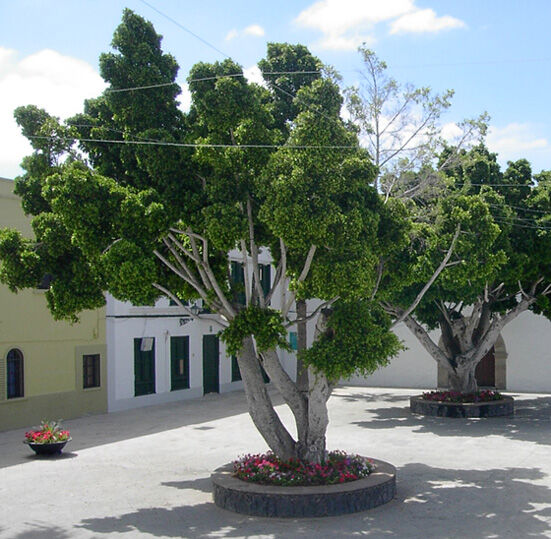
Weeping Fig is one of the most widely sold indoor trees in the world, with gracefully arching branches draped in small glossy leaves that give it an almost bonsai-like elegance at any scale. Indoors it typically reaches 6–10 feet; in its native range it's a full-scale canopy tree hitting 100 feet. It has a reputation for drama: move it across the room and it will drop half its leaves in protest — not because it's dying, just because it holds grudges.
How to grow Weeping Fig
bright indirect light (3-6 feet
Allow the top inch of
50-60%
65-75°F
Light, well-draining mix of potting
Stem cuttings in spring/summer with
Leaf drop from any environmental
Fun Facts
Ficus benjamina is the official tree of Bangkok, Thailand, where it grows as a massive canopy tree lining streets and parks.
Toxic to pets
Toxic to dogs, cats, and horses per the ASPCA. Toxic principles are the proteolytic enzyme ficin and psoralen (ficusin). Clinical signs include GI and dermal irritation, drooling, vomiting, and diarrhea. Sap can trigger serious reactions in latex allergy sufferers, including anaphylaxis in rare cases.
Sources
- Ficus benjamina - Wikipedia (opens in new tab)Reference
- Ficus benjamina — Wikipedia (opens in new tab)Reference
- Fig - ASPCA Toxic and Non-Toxic Plants (opens in new tab)Reference
- Fig — ASPCA Toxic and Non-Toxic Plants (opens in new tab)Reference
- How to Care for Ficus Benjamina - Easy Plant (opens in new tab)Reference
- How to Care for Ficus Benjamina — Easy Plant (opens in new tab)Reference