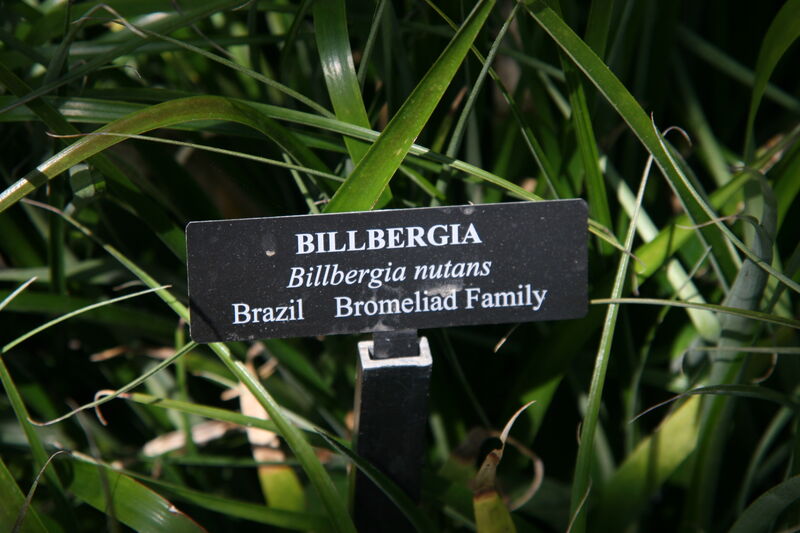
Queen’s Tears
Billbergia nutans
Queen's Tears is the most adaptable bromeliad you can own, which is saying something for a family not exactly known for demanding care. It forms clumping rosettes of arching, gray-green strap leaves that eventually produce drooping flower stalks with hot pink bracts and jaw-dropping chartreuse petals edged in royal blue. The name comes from the nectar drops that weep from the flowers when the plant is touched or moved.
How to grow Queen’s Tears
bright indirect light (3-6 feet
Water the soil moderately, allowing
40-50%
65-80°F
Loose, fast-draining bromeliad or orchid
Separate offsets ('pups') from the
Watch for scale insects and
Fun Facts
Billbergia nutans is widely considered the hardiest and most adaptable bromeliad for indoor cultivation, earning a reputation as near-unkillable among houseplant growers.
Pet safe
Non-toxic to cats and dogs (ASPCA). Bromeliads as a group contain no known toxic alkaloids. Sharp serrated leaf edges can cause minor physical scratches on curious pets.
Sources
- Billbergia nutans (Queen's Tears) - World of Succulents (opens in new tab)Botanical Garden
- Are Bromeliads Toxic to Cats and Dogs | LawnHelpful.com (opens in new tab)Reference
- Are Bromeliads Toxic to Cats and Dogs | LawnHelpful.com (opens in new tab)Reference
- Billbergia nutans (Queen's Tears) - World of Succulents (opens in new tab)Reference
- Billbergia nutans Plant Care - How to Grow Queen's Tears Houseplant (opens in new tab)Reference
- Billbergia nutans Plant Care - How to Grow Queen's Tears Houseplant (opens in new tab)Reference
- How to Grow and Care for Queen's Tears Bromeliads (opens in new tab)Reference
- How to Grow and Care for Queen's Tears Bromeliads (opens in new tab)Reference
- Queen's Tears Plant Care - Gardening Know How (opens in new tab)Reference
- Queen's Tears Plant Care - Gardening Know How (opens in new tab)Reference