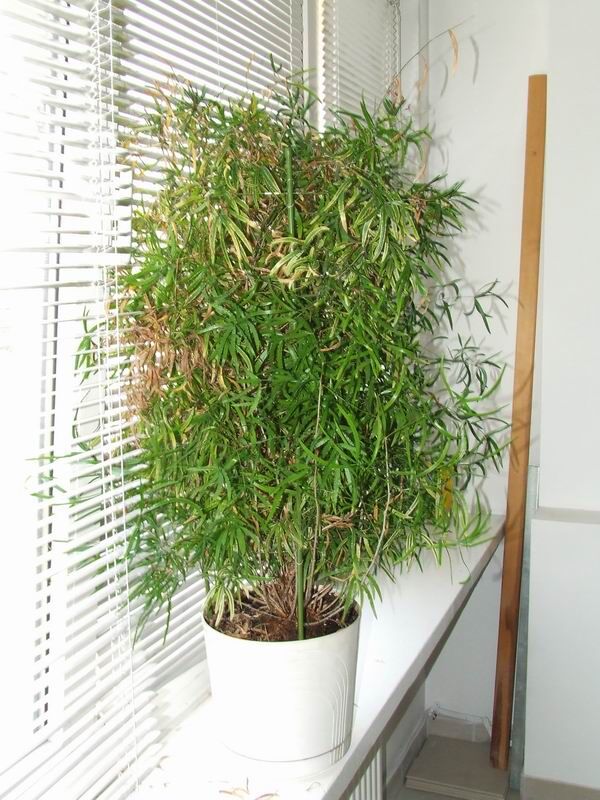
Sickle Thorn
Asparagus falcatus
Sickle Thorn is the tough, vigorous cousin in the asparagus fern family - it grows fast, climbs if given the chance, and can eventually reach over 20 feet in its native forest habitat. Indoors it produces glossy, sickle-shaped cladodes on arching stems that trail elegantly from a hanging basket or climb a trellis. It is more adaptable than most of its relatives but comes with genuinely sharp, backward-curved thorns that will find you during repotting.
How to grow Sickle Thorn
bright indirect light (3-6 feet
Water liberally during the growing
40-60%
Average warmth of 59-82 F
Well-draining, moderately rich loamy mix.
Easiest by division during repotting
The backward-curved thorns on mature
Fun Facts
In its native southern African habitat, Asparagus falcatus is used as a living security hedge: the backward-curved thorns on older stems are so effective that animals and people cannot push through an established planting.
Toxic to pets
Toxic to cats, dogs, and humans if ingested. Berries and foliage cause gastrointestinal upset and skin irritation. The ASPCA's general asparagus fern toxicity listing covers this genus. The sharp thorns are also a physical hazard. Keep out of reach of children and pets.
Sources
- Asparagus falcatus - PlantZAfrica, South African National Biodiversity Institute (opens in new tab)Botanical Garden
- Asparagus falcatus - PlantZAfrica, South African National Biodiversity Institute (opens in new tab)Botanical Garden
- Asparagus falcatus - Wikipedia (opens in new tab)Reference
- Asparagus falcatus - Wikipedia (opens in new tab)Reference
- Asparagus falcatus Sicklethorn - Hortology (opens in new tab)Reference
- Asparagus falcatus Sicklethorn - Hortology (opens in new tab)Reference
- Sicklethorn Asparagus Care Indoors - Home Plants Guide (opens in new tab)Reference
- Sicklethorn Asparagus Care Indoors - Home Plants Guide (opens in new tab)Reference